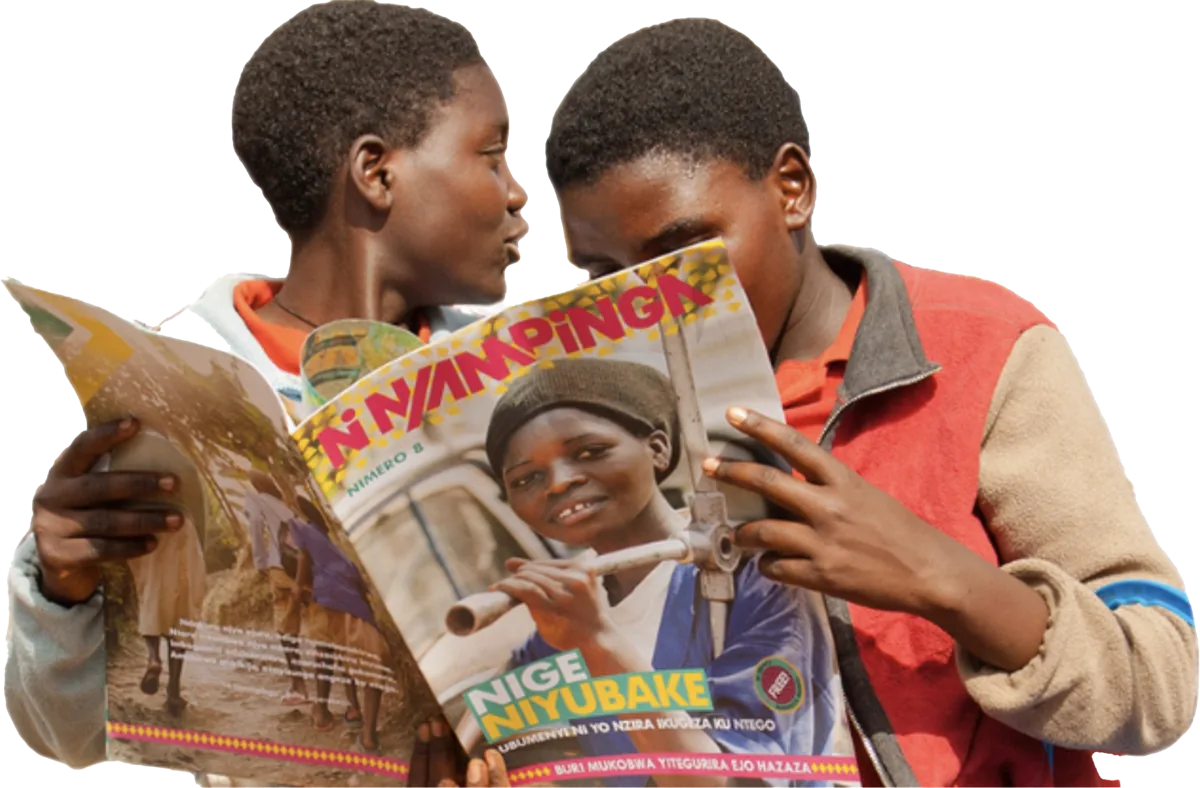
Ni
Nyampinga
Rwanda's first youth brand, built to reach every girl in the country and beyond.
In Kinyarwanda, Ni Nyampinga means a beautiful girl, inside and out, who makes wise decisions.
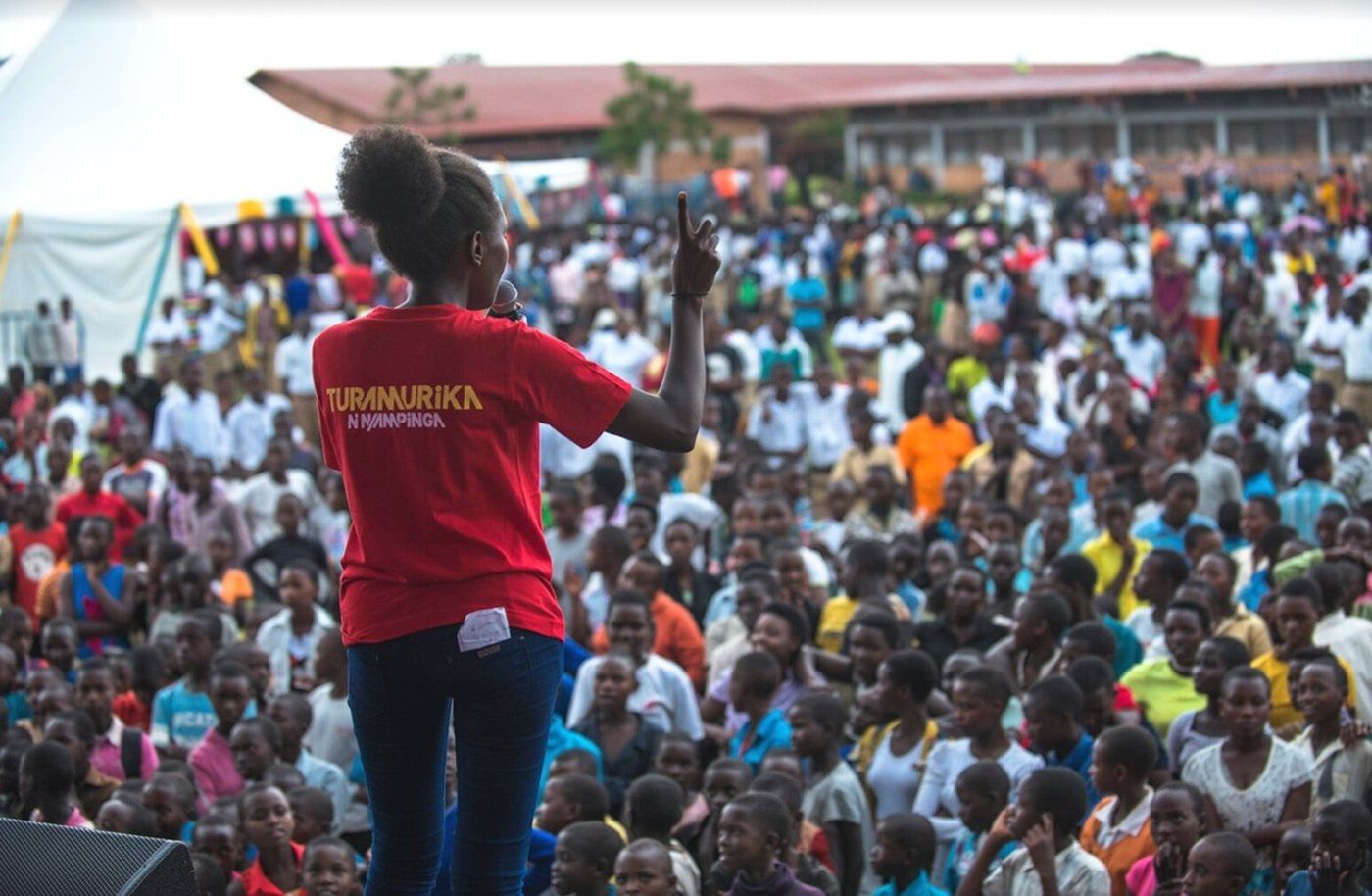
Change what it means to be a girl in Rwanda. Not for some girls, for every girl, and for the people around her.
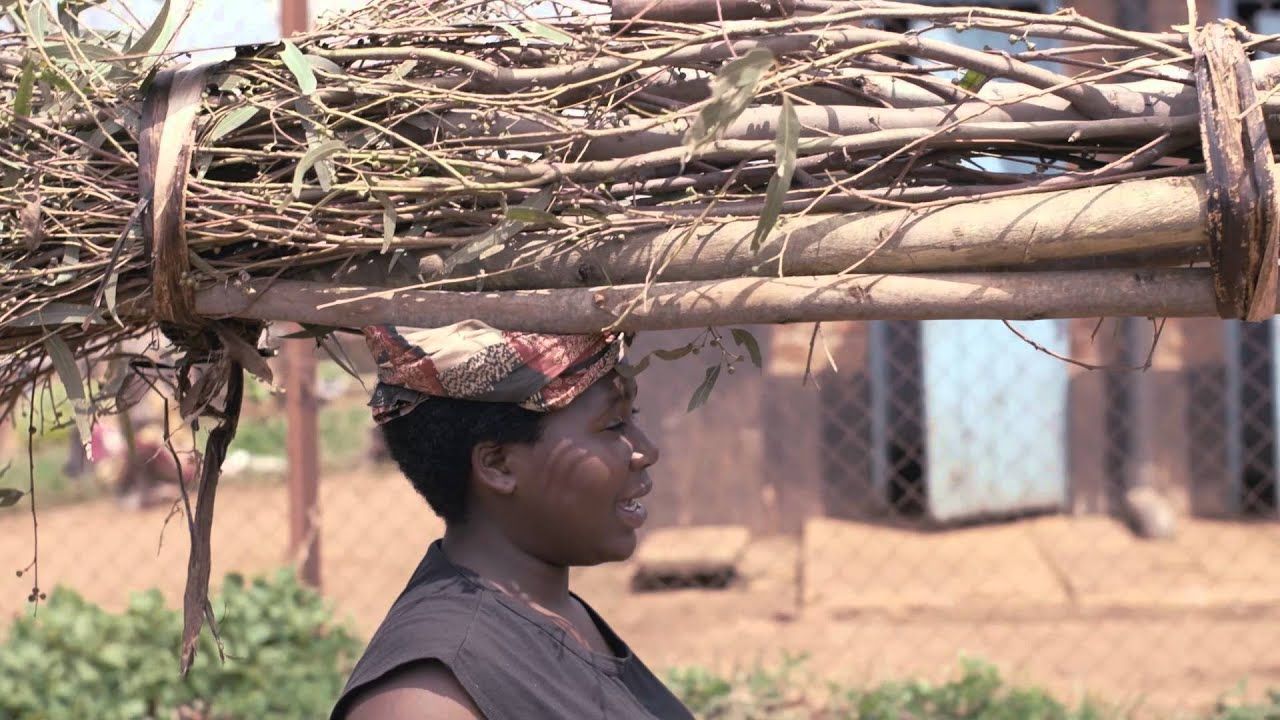
Made by girls, for girls
Watch the film on YouTube →A 2014 film about Ni Nyampinga's magazine and weekly radio show, made by Rwandan girl journalists, and how it's helping girls across the country finish school, prevent HIV and stand up to violence.
What changed
Rwanda's largest youth brandIt reached far beyond girls. Boys and adults who engaged regularly were 67% more likely to hold positive views on gender equality.
"I am who I am today because of Ni Nyampinga."
Ni Nyampinga reader, Rwanda
Not a magazine.
An ecosystem.
Ni Nyampinga met girls wherever they were: in their hands, on the radio, in their schools and on their phones.
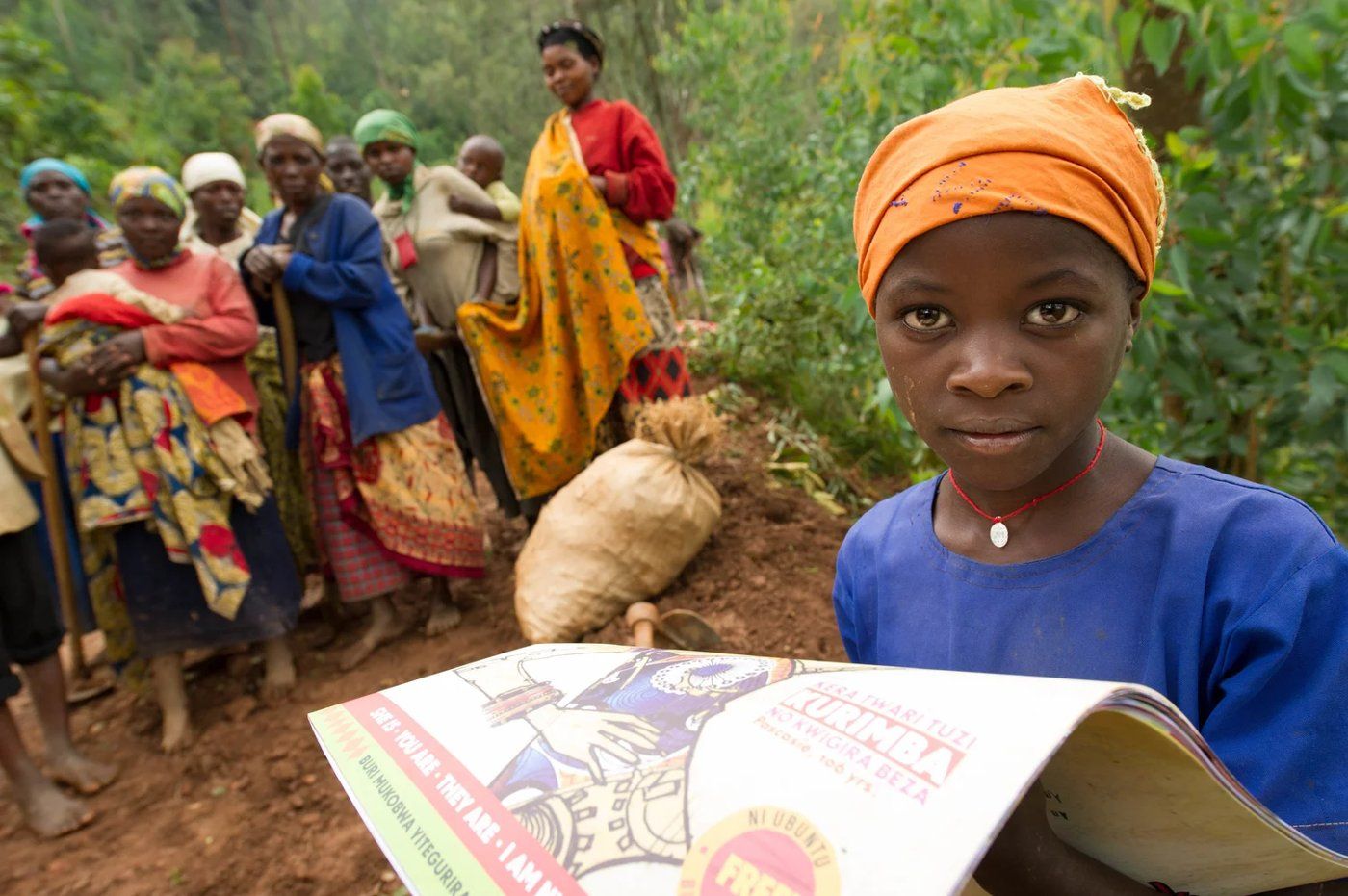
Read
A quarterly magazine, made by Rwandan girl journalists.
I designed how it reached girls, through 30 brand ambassadors in every district, and how they engaged with it through clubs and a safe-spaces programme.
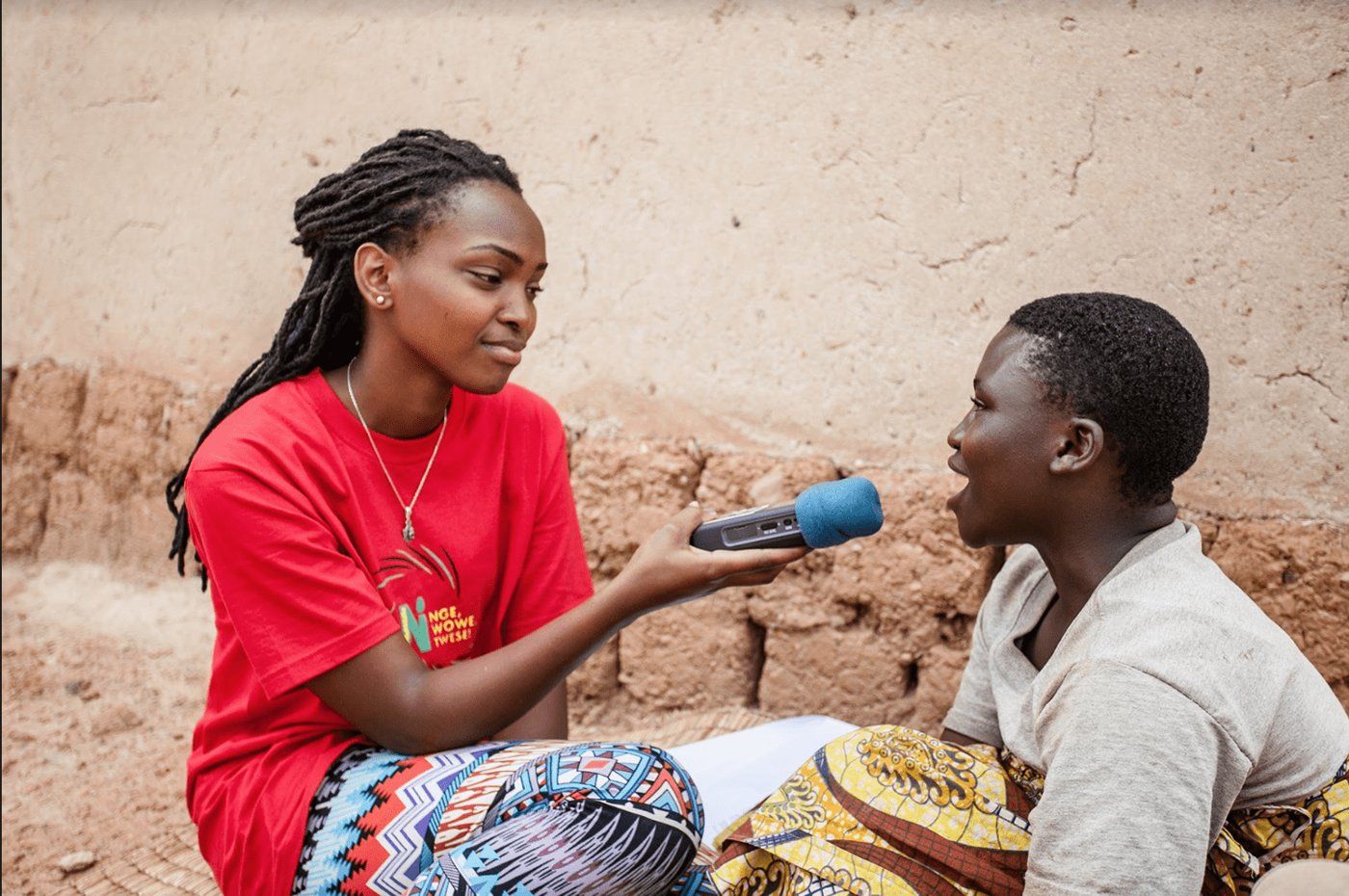
Listen
A weekly Ask Aunty talk show and Sakwe, a radio drama for young Rwandans.
Sakwe widened the audience too: "Ni Nyampinga is for girls only" fell from 72% to 34%.
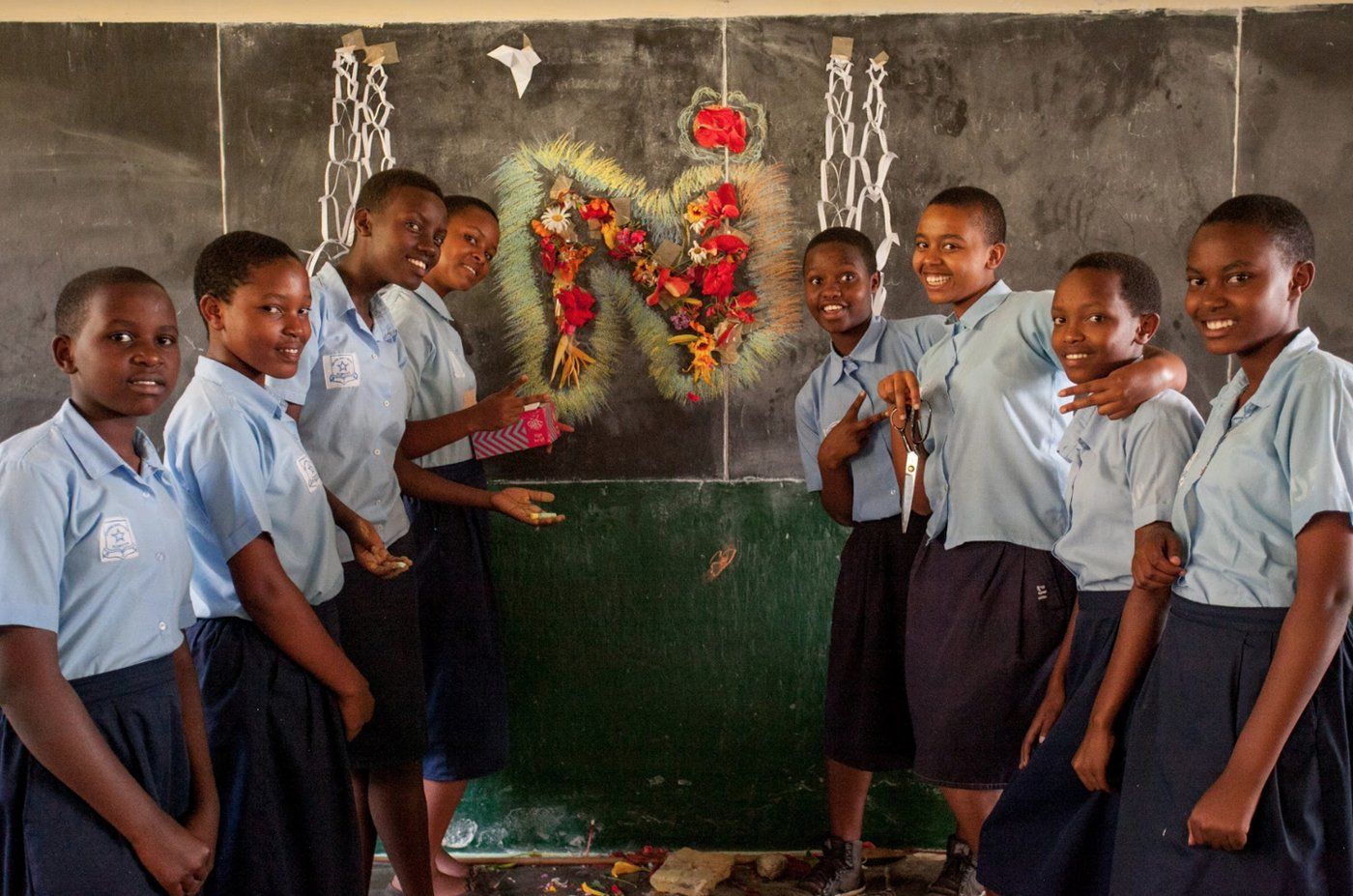
Belong
Clubs that girls started themselves, more than 10,000 of them.
I spent six months with researchers finding and mapping the clubs. It reshaped our whole safe-spaces strategy.
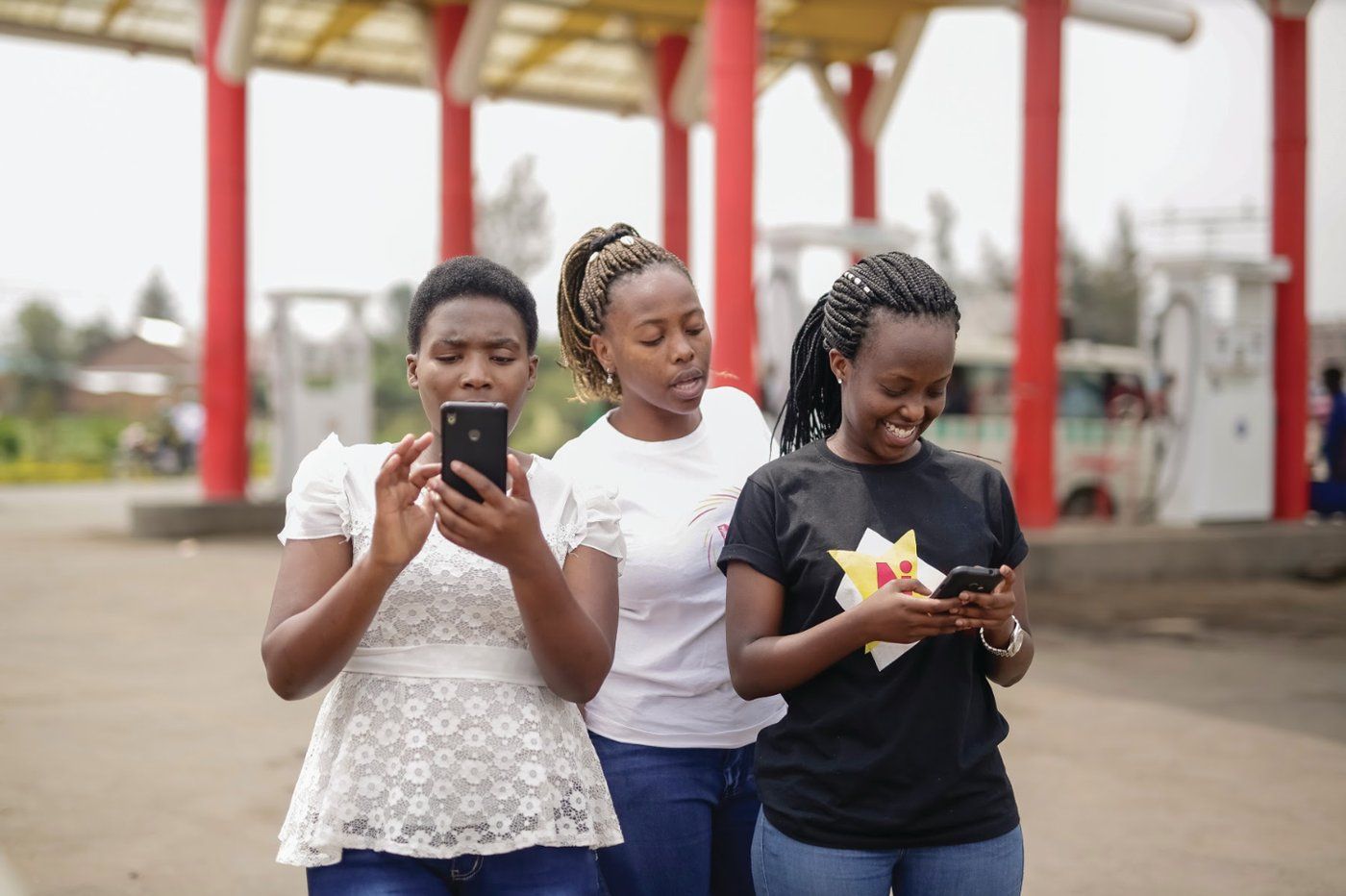
Connect
SMS, USSD, voice and mobile web, tested from 2014 as phones spread.
We tried everything, kept what worked and learned a lot from what didn't.
No single channel did it. The girls who lived in all of them changed most.
The same lesson shapes Tukisonga today →